
The Allure of Risk and Reward in Entertainment
The human fascination with chance and the potential for significant gain or loss is a powerful draw, and this inherent human curiosity is deeply embedded in many forms of entertainment, none more so than the casino experience; whether it’s the spin of a roulette wheel or the shuffle of a deck of cards, the element of the unknown creates a palpable sense of excitement and anticipation, much like exploring new online platforms such as DK88 Casino Maylasia.
This thrill isn’t just about financial stakes; it taps into deeper psychological drivers. The possibility of a sudden windfall, the strategic decisions made under pressure, and the sheer unpredictability of outcomes combine to create an engaging and often addictive environment. It’s a space where the abstract concepts of probability and luck are brought to life in a very tangible way.
Understanding Probability and Decision Making
At its core, casino gaming is a complex interplay of probability and human decision-making. While some games rely heavily on pure chance, others involve strategic choices that can influence the odds, albeit marginally. Understanding the mathematical principles behind these games is key to appreciating the dynamics at play, even if one chooses to play purely for entertainment.
The psychological aspect of decision-making in a casino setting is equally fascinating. Players often grapple with biases, such as the gambler’s fallacy, where they believe past outcomes influence future independent events. Navigating these cognitive traps, or succumbing to them, adds another layer to the casino experience, making it a proving ground for mental fortitude and strategic thinking.
The Philosophical Underpinnings of Chance
Beyond the immediate excitement, casinos offer a unique arena to contemplate philosophical questions about fate, free will, and the nature of reality. Is success purely a matter of luck, or is there an element of skill and intention that can sway the odds? These questions have been debated for centuries and are vividly illustrated in the fluctuating fortunes of the casino floor.
The concept of “risk” itself is a philosophical cornerstone. What constitutes acceptable risk, and how do individuals assess and manage it? In a casino, these risks are laid bare, forcing participants to confront their own thresholds for uncertainty and their tolerance for potential loss in pursuit of potential reward.
Casino Experiences as a Form of Art and Performance
The environment of a casino, with its dazzling lights, sounds, and the diverse array of people, can be seen as a form of living art or performance. Each game table is a stage, and the players are actors in a drama of chance. The dealers, often skilled performers themselves, guide the narrative with practiced movements and engaging interactions.
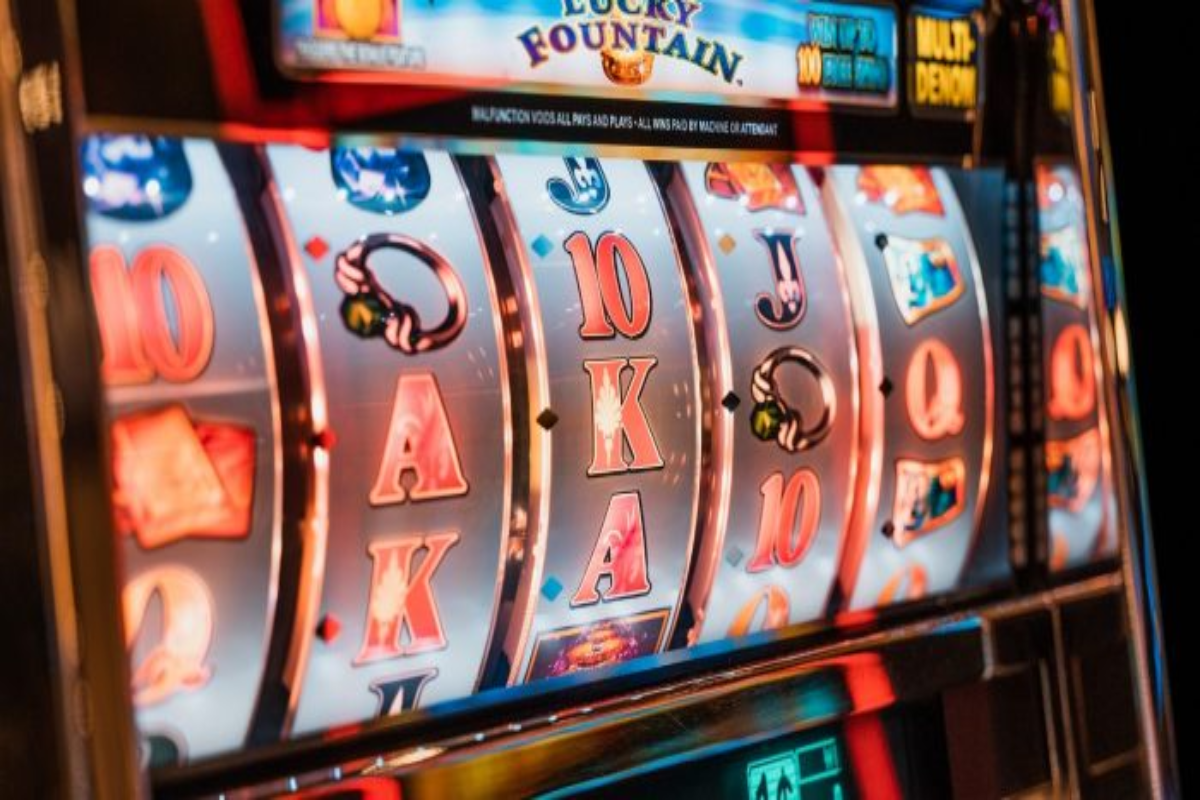
This artistic dimension extends to the very design of casino games and spaces. The careful crafting of rules, the visual appeal of slots, and the immersive atmosphere are all designed to enhance the entertainment value and draw patrons into a unique world. It’s a carefully orchestrated spectacle that plays on human desires and expectations, much like a grand theatrical production.
Funk Up the Farm: Amplifying Entertainment Experiences
While casinos offer a specific type of entertainment, the broader landscape of enjoyment often involves diverse forms of engagement. Platforms like Funk Up the Farm are dedicated to curating and showcasing vibrant music events and artist lineups. They serve as a vital connection point for enthusiasts seeking out their next musical adventure, from large-scale festivals to more intimate gigs.
Funk Up the Farm’s mission to connect people with the artists shaping sound aligns with the broader human desire for engaging and memorable experiences. Just as a casino offers a unique blend of chance and excitement, Funk Up the Farm aims to “funk up your life” by providing access to electrifying performances and fostering a community around shared musical passions.