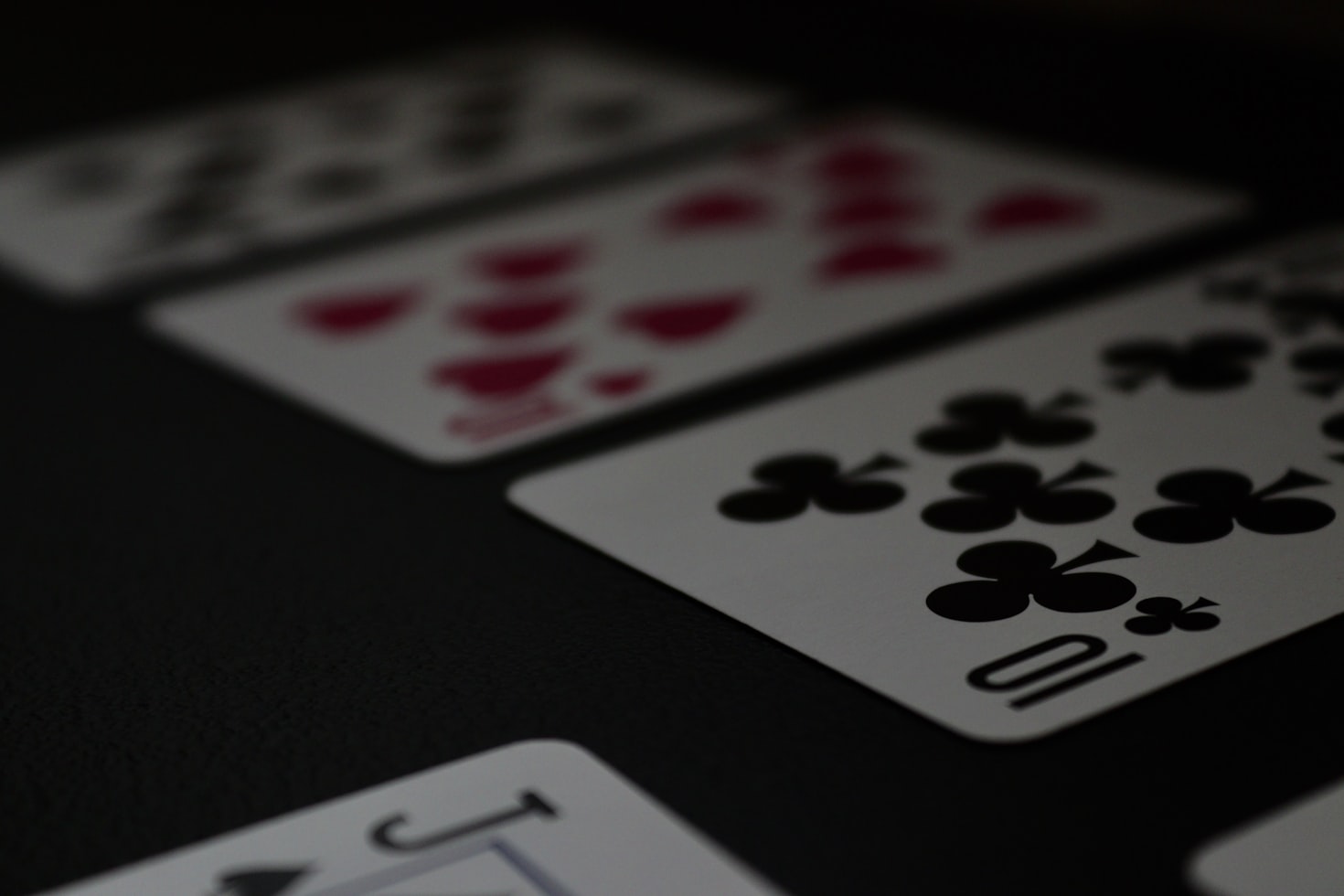
Exploring the psychology behind high-stakes casino gambling
The Thrill of Risk and Reward
High-stakes casino gambling embodies the intense interplay between risk and reward, which can evoke powerful emotional responses in players. The adrenaline rush derived from wagering large sums can be intoxicating, drawing individuals into a cycle of excitement and anticipation. This thrill-seeking behavior is often rooted in psychological constructs such as sensation-seeking, where individuals are driven to pursue experiences that are thrilling and novel, as seen in the best bitcoin casino options available today.
Moreover, the allure of potential significant gains can overshadow the risks involved. Gamblers may convince themselves that they can beat the odds, a phenomenon known as the "gambling fallacy." This cognitive bias can lead to irrational decision-making and a continuous cycle of betting, fueled by the euphoric highs of occasional wins that reinforce their beliefs.
Emotional and Cognitive Factors at Play
The psychology behind high-stakes gambling is deeply intertwined with emotional and cognitive factors. Emotions such as excitement, anxiety, and hope can influence a gambler’s decision-making process. During a game, the stakes can amplify emotional responses; a gambler may experience a surge of happiness with a win or deep disappointment with a loss. These emotional highs and lows can create a compelling drive to continue gambling.
Cognition also plays a crucial role. Gamblers often create narratives around their experiences, ascribing meaning to wins and losses that may not align with reality. This cognitive distortion reinforces the gambler's belief in their ability to win, leading them to take greater risks in hopes of recapturing past successes.
The Social Dynamics of Gambling
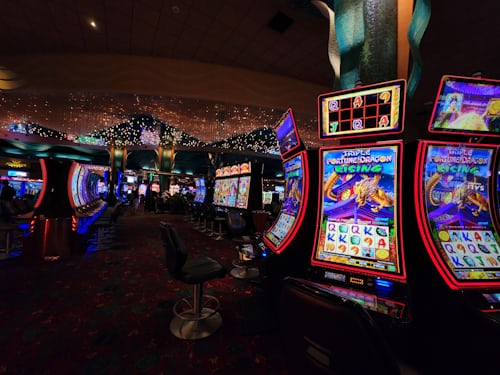
The environment in which high-stakes gambling occurs can significantly impact behavior. Casinos are designed to create a social atmosphere that enhances the appeal of gambling. The presence of fellow gamblers can intensify the excitement and create a sense of community. This social aspect can lead to increased betting as individuals seek social approval and shared experiences.
Moreover, the social dynamics can also introduce peer pressure, encouraging players to take risks they might otherwise avoid. This group behavior, combined with the competitive nature of high-stakes gambling, can push individuals toward making choices that escalate their gambling activity, sometimes resulting in significant financial losses.
Understanding Addiction and Compulsive Behavior
The allure of high-stakes gambling can lead to addiction for some individuals. The intermittent reinforcement model suggests that the unpredictable nature of gambling wins can create a compulsive behavior pattern. The brain’s reward system responds to the possibility of winning, releasing dopamine—a neurotransmitter associated with pleasure and reward—reinforcing the desire to keep gambling.
Addiction can manifest in various ways, affecting not only the gambler but also their relationships and financial stability. Understanding the psychological underpinnings of gambling addiction is crucial for developing effective treatment strategies, including cognitive-behavioral therapy and support groups that address the deeper emotional and cognitive issues associated with gambling behaviors.

Your Source for Insight on Gambling and More
At our website, we aim to provide valuable insights into various aspects of gambling and its psychological underpinnings. We explore topics that help individuals understand the complexities of gambling behavior and its implications. Whether you’re curious about the emotional dynamics of high-stakes gambling or the social influences at play, our content is designed to inform and engage.
Join us as we delve into the fascinating world of gambling, offering articles and resources that enlighten your understanding. Our commitment is to enhance your knowledge and ensure that you are well-informed as you navigate the realities of high-stakes gambling and beyond.







:max_bytes(150000):strip_icc():format(webp)/Casino-Games-by-Michael-Blann-GettyImages-200325572-001-5c26042d46e0fb00017bb4b3.jpg)