Historie kasin Jak se vyvíjela hazardní hra přes staletí
Počátky hazardních her
Hazardní hry mají své kořeny už ve starověkých civilizacích, jako byla Mezopotámie, kde se hrálo s kostkami a různými formami hazardu. Archeologické nálezy ukazují, že se hry s kostkami hrály už kolem 3000 let před naším letopočtem. Tyto hry byly nejen zábavou, ale také součástí náboženských rituálů a společenských událostí. V této době byla hazardní hra často spojována s vírou v osud a náhodu.
Ve starověkém Římě se hazard stal populární aktivitou mezi vojáky i občany. Oblíbené byly nejen kostkové hry, ale také různé formy sázek na gladiátorské zápasy a závody vozatajů. I když byly hazardní hry občas zakazovány, jejich popularita neustále rostla. Románští císaři dokonce vydávali zákony, které regulovaly sázení, čímž si uvědomovali jeho význam v římské společnosti.
Středověk přinesl s sebou nové formy hazardu, jako například karetní hry, které se staly oblíbenými ve šlechtických kruzích. Tyto hry se postupně dostaly i mezi širší veřejnost a jejich popularity stále rostla. S rozvojem obchodních cest a měst se hazardní hry začaly šířit po celé Evropě, což vedlo k vytvoření prvních herních domů.
Rozvoj kasin v Evropě
První moderní kasino bylo otevřeno v Benátkách v roce 1638. Kasino Ridotto bylo určeno pro šlechtu a mělo za cíl regulovat hazardní hry, které se na tehdejších benátských ulicích šířily bez kontroly. Tento krok byl klíčový pro vývoj herních domů, které se později rozšířily do dalších evropských měst. Mnohá z těchto kasin se stala symbolem luxusu a zábavy.
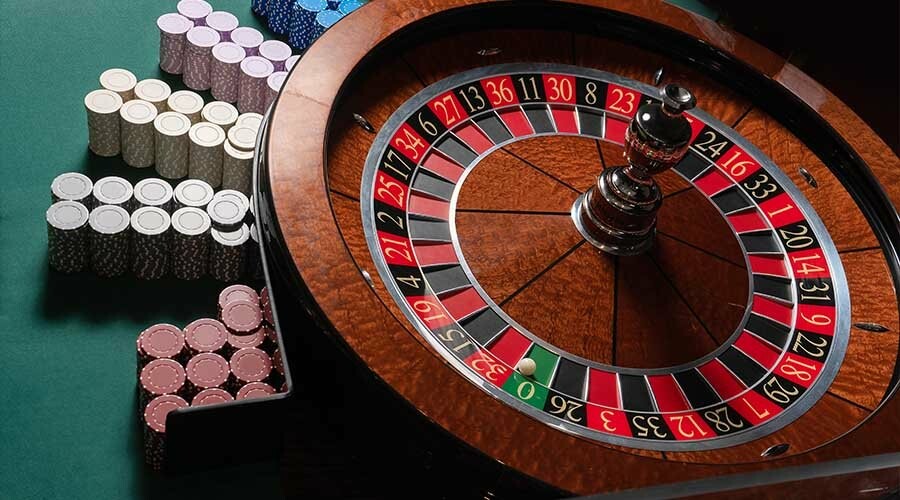
Během 18. století se hazardní hry dostaly do centra společenského života. Kasin v Paříži, Monte Carlu a dalších evropských metropolích přitahovala nejen místní obyvatele, ale i bohaté turisty z celého světa. V této době došlo ke vzniku mnoha nových her, jako je baccarat a ruleta, které se rychle staly populárními mezi hráči všech vrstev.
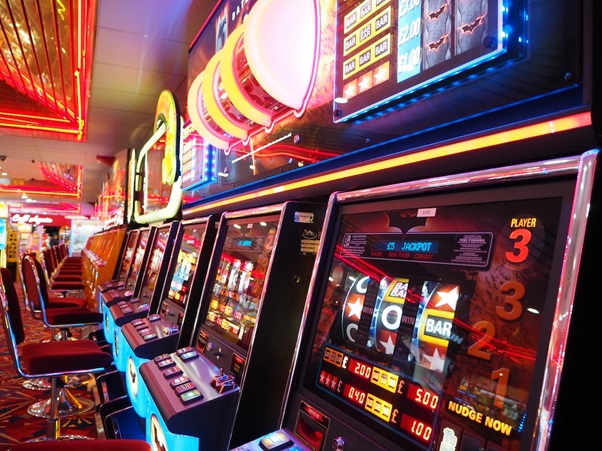
Na konci 19. století se hazardní hry staly součástí kultury a měly zásadní vliv na společnost. Kasino se stalo místem setkání, zábavy a adrenalinu. Počátky 20. století přinesly inovace v herním designu a technologie, které otevřely nové možnosti pro rozvoj herních automatů a dalších herních zařízení, což vedlo k další expanze kasin.
Moderní kasina a technologie
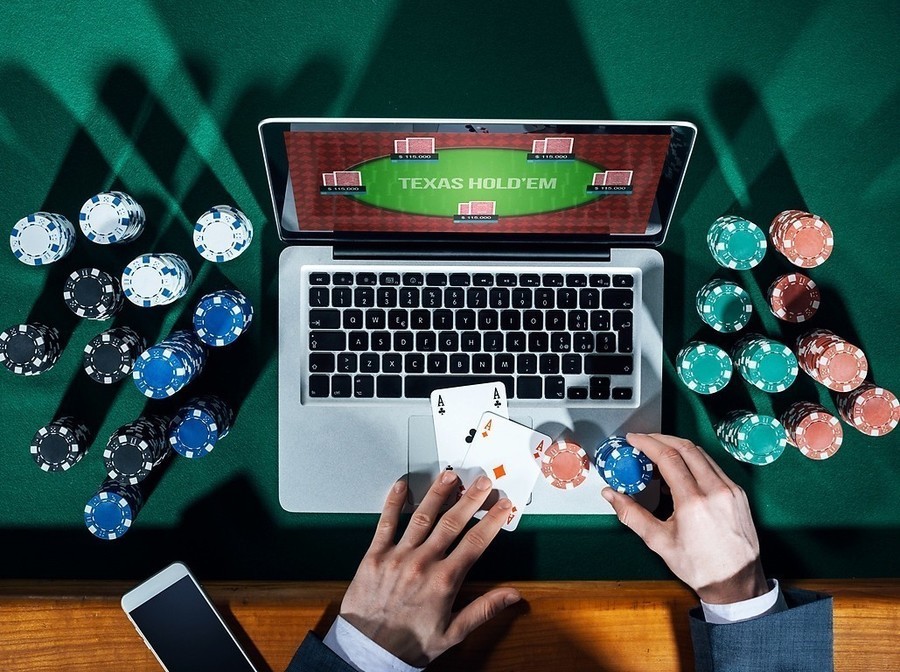
S nástupem digitální éry se kasina vyvíjela rychlým tempem. Online hazardní hry začaly nabírat na popularitě na přelomu 20. a 21. století, přičemž hráči získali přístup k široké škále her přímo z pohodlí domova. První licencovaná online kasina byla otevřena v polovině 90. let, což umožnilo revoluci v oblasti hazardních her.
Technologie jako virtuální realita a mobilní aplikace začaly transformovat zážitek z hraní. Hráči nyní mohou zažít atmosféru tradičního kasina, ať už hrají na svém chytrém telefonu, nebo se zapojují do virtuálních herních místností. Tím se hazardní hry staly dostupnějšími a atraktivnějšími pro širokou veřejnost.
Bezpečnost a regulace se staly prioritou v moderním kasinovém průmyslu. Online platformy investují do pokročilých zabezpečení, aby zajistily ochranu osobních údajů a finančních prostředků svých zákazníků. Dále vznikají nové legislativy zaměřené na ochranu hráčů před závislostí a nekalými praktikami, což přispívá k zdravějšímu hernímu prostředí.
Kultura hazardních her dnes
Dnešní hazardní hra se stala celosvětovým fenoménem. Kasinové destinace jako Las Vegas a Macau lákají miliony turistů každý rok. Tyto města nabízejí širokou škálu herních možností, extravagantních hotelů a bohatého nočního života. Kultura hazardu je nedílnou součástí společenského života, a to nejen v těchto městech, ale i ve všech částech světa.
Hraní se také stalo součástí mnoha významných kulturních událostí a filmů, což přispívá k romantizaci a mystice kolem hazardních her. Mnoho hráčů si oblíbilo vysoké sázky a exkluzivní turnaje, které dodávají adrenalinu a vzrušení nejen samotným hráčům, ale i divákům.
Společenská odpovědnost a etika v hazardním průmyslu se staly stále důležitějšími tématy. Kasinové společnosti pracují na iniciativách, které podporují odpovědné hraní a vzdělávání veřejnosti o rizicích spojených s hazardem. Tímto způsobem se snaží budovat důvěru se svými zákazníky a chránit svou reputaci v konkurenčním prostředí.
Shikaka Casino a jeho nabídka
Casino je moderní herní platforma, která se zaměřuje na poskytování širokého spektra her pro všechny typy hráčů. Díky technologickým inovacím se snažíme zajistit bezpečné a adrenalinové prostředí pro každého uživatele. Naše nabídka zahrnuje tradiční kasinové hry i moderní varianty, které uspokojí i ty nejnáročnější hráče.
Naším cílem je vytvořit uživatelsky přívětivé prostředí s rychlými výběry a kvalitní zákaznickou podporou. S atraktivními uvítacími bonusy a pravidelnými promo akcemi se snažíme oslovit širokou škálu hráčů a nabídnout jim jedinečný herní zážitek. Casino je místem, kde se setkává inovace s tradičními hodnotami hazardních her.
Věříme, že naši uživatelé ocení nejen kvalitní hry, ale také bezpečné a transparentní herní prostředí. Casino je ideální volbou pro ty, kteří hledají zábavu a vzrušení, a zároveň chtějí mít jistotu, že hrají v regulovaném a bezpečném prostředí. Připojte se k nám a objevte svět online hazardu, který je přístupný každému.